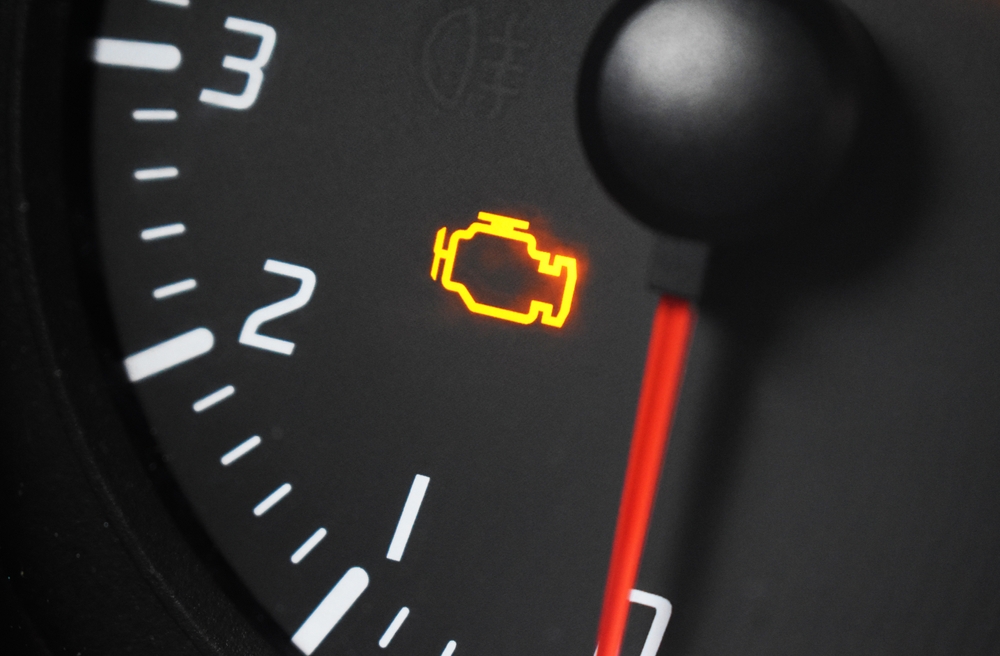
We’ve all been there—you’re driving along when suddenly, that little orange check engine light appears on your dashboard. It doesn’t seem urgent, your car still runs fine, and you’ve got a million other things to do. So, you ignore it… for now.
But at Thunderbird Auto, we’re here to tell you: don’t ignore your check engine light. That small warning could be the first sign of a much bigger—and more expensive—problem.
What Does the Check Engine Light Actually Mean?
Your car’s onboard diagnostics system (OBD-II) monitors how your engine and emissions systems are functioning. When it detects something outside of normal operation, it triggers the check engine light to alert you.
Sometimes, it’s a minor issue. Other times, it’s a red flag that your engine is at risk of serious damage. The only way to know for sure is to have your vehicle scanned by a professional
technician using the proper diagnostic tools.
Common Reasons Your Check Engine Light Might Be On
Here are some of the most frequent causes we see at Thunderbird Auto:
- Loose or damaged gas cap: Believe it or not, a loose gas cap can trigger the light due to pressure changes in your fuel system.
- Failing oxygen sensor: This sensor measures how much oxygen is in your exhaust. A bad one can reduce fuel economy and cause emissions failures.
- Worn spark plugs or ignition coils: These components help start and power your engine. If they fail, you may experience misfires or reduced performance.
- Bad catalytic converter: This is a more serious (and expensive) issue. If the catalytic converter isn’t functioning properly, your car can’t properly filter emissions—and you may fail inspection.
- Mass airflow sensor failure: This sensor regulates the air-to-fuel ratio. If it’s off, your car may stall, hesitate, or guzzle more fuel.
Why Ignoring It Can Cost You More
You might not notice immediate symptoms, but driving with the check engine light on can make things worse over time.What starts as a small issue—like a misfire or faulty sensor—can spiral into:
- Engine overheating
- Transmission problems
- Decreased fuel efficiency
- Permanent engine damage
- Failed emissions testing
The longer you wait, the more extensive (and costly) the repairs could become.
Flashing vs. Solid Light: Know the Difference
- Solid Check Engine Light: A solid light means the issue should be looked at soon. Your car may still be drivable, but don’t wait too long to get it checked.
- Flashing Check Engine Light: This is urgent. A flashing light usually indicates an engine misfire, which can seriously damage your catalytic converter. Pull over and call us immediately if this happens.
What to Do When the Light Comes On
- Check your gas cap – Make sure it’s tightened properly. If the light stays on after a few drives, the problem lies elsewhere.
- Note any changes – Pay attention to performance, fuel economy, or strange noises.
- Call Thunderbird Auto – We’ll run a full diagnostic and explain what’s going on—no guessing, no pressure.
Let Thunderbird Auto Take the Guesswork Out of Repairs
At Thunderbird Auto, we use advanced diagnostic tools to get to the root of the issue quickly. Our expert technicians will give you honest answers, walk you through your options, and get you safely back on the road. Don’t ignore that warning sign—schedule your diagnostic check with Thunderbird Auto today.